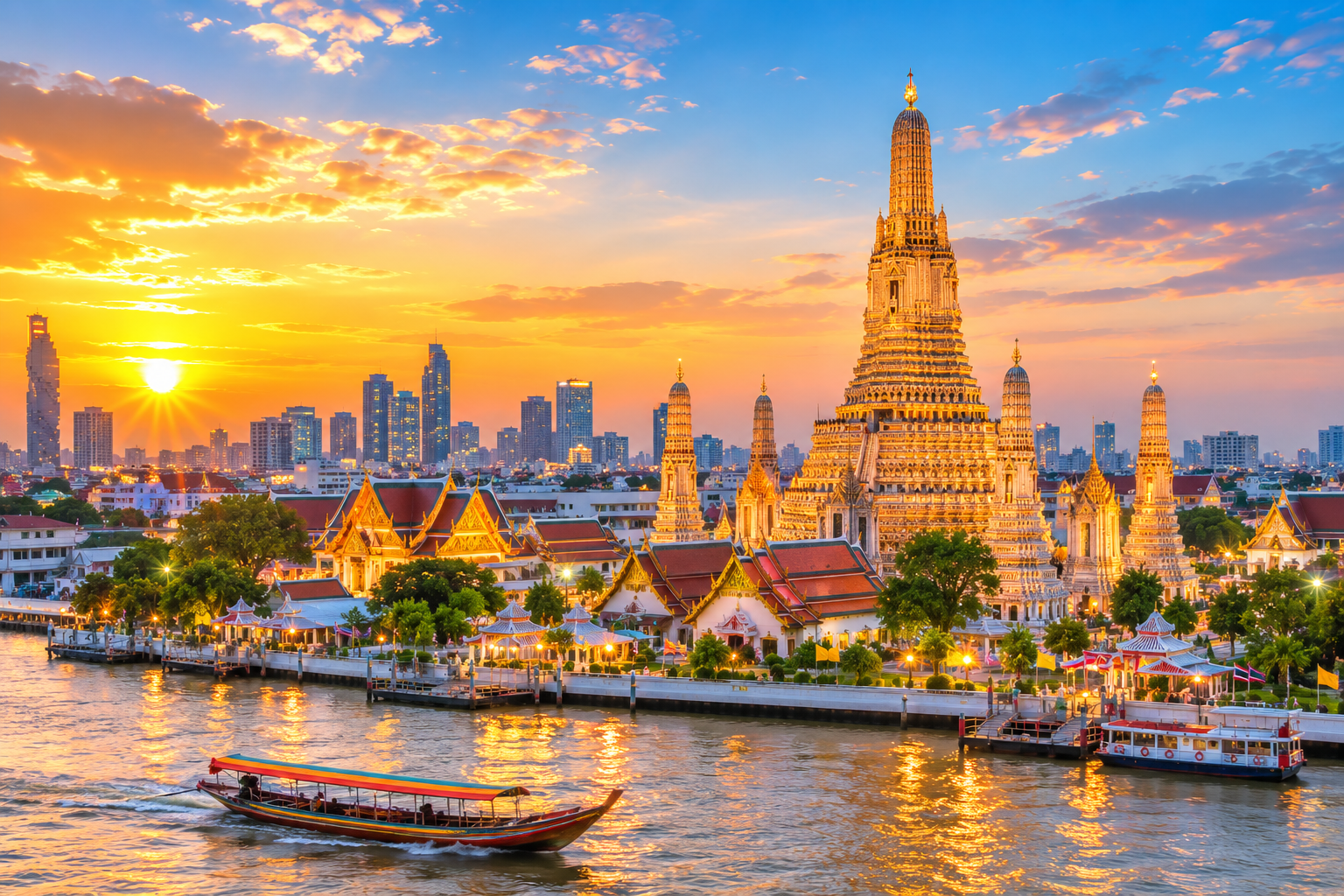
Bangkok is a city you can visit throughout the year, but the experience can feel very different depending on when you travel. Some months bring cooler weather and comfortable sightseeing conditions, while others offer fewer crowds, occasional rain, and a different side of the city.
The best time to visit Bangkok depends on what matters most to you. If you want comfortable weather for temples and outdoor attractions, the cooler months are usually ideal. If you’re comfortable with warmer temperatures or occasional showers, other times of the year can also be rewarding.
This guide explains Bangkok’s seasons, weather, crowds, activities, and practical travel considerations to help you choose the right time for your trip.
When Is the Best Time to Visit Bangkok?
For many first-time visitors, November to February is one of the best periods to visit Bangkok. The weather is generally less humid and more comfortable than during the hottest months.
This makes exploring attractions such as the Grand Palace, Wat Arun, markets, neighbourhoods, and riverside areas more comfortable.
However, these months are also popular with international visitors, so major attractions can be busier.
If avoiding peak crowds is more important to you, the months outside the main cool season may suit your plans better.
Bangkok Seasons at a Glance
| Period | Typical Conditions | Good For |
|---|---|---|
| November to February | Cooler and generally drier | First-time visitors and sightseeing |
| March to May | Hot and humid | Indoor attractions, shopping and Songkran |
| June to October | Rainier and humid | Flexible itineraries and fewer peak-season crowds |
Weather patterns can vary from year to year, so check the latest forecast shortly before your trip.
November to February: Comfortable Weather for Sightseeing
Bangkok’s cooler period is popular for a good reason. Days are still warm, but conditions can be more comfortable for spending several hours outside.
It’s an excellent time to explore Bangkok’s cultural attractions, take a day tour, walk through local markets, or enjoy an evening along the Chao Phraya River.
Things to Do During This Period
Visit the Grand Palace and Wat Phra Kaew, explore Wat Arun, discover Bangkok’s markets, take a day trip to the floating and railway markets, or spend an evening aboard a Chao Phraya dinner cruise.
Because this is a popular travel period, booking major attractions and tours ahead of time can make planning easier.
March to May: Bangkok’s Hot Season
Temperatures and humidity rise considerably from March through May.
That doesn’t mean you should avoid Bangkok during these months. It simply means your itinerary should account for the heat.
Plan outdoor sightseeing earlier in the morning, take breaks during the hottest part of the afternoon, and keep indoor attractions for later in the day.
Bangkok has plenty of air-conditioned shopping centres, restaurants, observation decks, museums, shows, and other indoor experiences.
Visiting Bangkok During Songkran
April brings one of Thailand’s most famous celebrations: Songkran, the Thai New Year.
Visitors can encounter water celebrations and festive activities in different parts of Bangkok. It can be a memorable time to experience Thai culture, but it also requires some planning.
Expect certain areas to become particularly busy during the celebrations. Protect phones, cameras, passports, and other valuables from water and check transportation arrangements in advance.
If you’re travelling specifically for Songkran, booking accommodation early is sensible.
June to October: Bangkok’s Rainier Months
Bangkok’s wetter period generally falls between May or June and October, although rainfall varies.
A rainy season trip doesn’t necessarily mean continuous rain every day. Visitors may experience periods of sunshine followed by heavy showers.
A flexible itinerary works particularly well during these months.
You can plan outdoor attractions when conditions are favourable and keep shopping centres, museums, observation decks, restaurants, spas, shows, and other indoor activities as alternatives.
What Can You Do in Bangkok When It Rains?
Rain doesn’t have to stop your sightseeing.
Bangkok offers many indoor or partially covered experiences. You could explore major shopping destinations, visit SEA LIFE Bangkok Ocean World, enjoy an observation deck, book a spa treatment, watch a show, or spend time discovering Thai food.
If conditions improve later in the day, you can return to your outdoor itinerary.
Keeping one or two flexible activities in your daily plan makes rainy-season travel much easier.
January: Excellent for First-Time Visitors
January is a popular month for Bangkok sightseeing. Conditions are generally more comfortable than during the hot season, making it suitable for temples, markets, walking tours, and day trips.
Because January falls within a popular visitor period, expect more people at well-known attractions.
February: Good Weather and Plenty to Explore
February can still offer favourable sightseeing conditions, particularly earlier in the month.
It’s a good time to combine Bangkok’s temples and cultural attractions with markets, rooftop experiences, shopping, and evening activities.
As temperatures begin increasing, carrying water and wearing lightweight clothing becomes increasingly important.
March: Temperatures Start Rising
March marks the transition toward Bangkok’s hottest period.
You can still explore the city comfortably with smart scheduling. Visit temples and outdoor attractions in the morning, then move toward indoor experiences during the hotter afternoon hours.
Evenings can be ideal for markets, dining and river experiences.
April: Hot Weather and Songkran Celebrations
April is typically very hot, but Songkran makes it a particularly interesting month for travellers looking for a festive experience.
Allow extra travel time during major celebrations and prepare for getting wet if you’re visiting active Songkran areas.
For sightseeing, start early and avoid packing too many outdoor attractions into the middle of the day.
May: Hot With Increasing Chances of Rain
May can bring high temperatures alongside increasing rainfall.
A mixed itinerary works well. Combine temples and outdoor attractions with shopping, restaurants, shows, and indoor activities.
Check the daily forecast rather than planning entirely around general seasonal expectations.
June: Flexible Sightseeing Becomes Important
June typically falls within the wetter part of Bangkok’s year.
Instead of cancelling activities based solely on a chance of rain, build flexibility into your schedule. Keep indoor options available and adjust your plans according to conditions.
July: Mix Outdoor and Indoor Experiences
July visitors can use the same flexible approach.
Plan outdoor sightseeing when the forecast looks favourable and keep alternative activities nearby. Bangkok’s huge range of indoor experiences means there’s usually something worthwhile to do even when rain interrupts your original plans.
August: Prepare for Humidity and Showers
August is generally humid and can experience regular rainfall.
Lightweight clothing, comfortable shoes, a compact umbrella, and a flexible schedule can make sightseeing easier.
It’s also worth allowing additional travel time when heavy rain affects road conditions.
September: One of the Wetter Periods
September is often among Bangkok’s wetter months.
Visitors should be particularly flexible with outdoor plans. Rather than scheduling every hour, prioritize a few important attractions and leave room to adjust the rest of your day.
October: Transition Toward Drier Conditions
October is a transitional month. Rain is still possible, but conditions gradually move toward the drier part of the year.
It can be an interesting period for travellers who don’t mind occasional showers and prefer visiting before the busier cool-season period.
November: A Popular Time to Explore Bangkok
November generally marks the beginning of more comfortable travel conditions.
It’s a great month for combining Bangkok’s outdoor and indoor attractions. Temples, markets, river cruises, day tours, and evening activities can all fit comfortably into a varied itinerary.
December: Popular Holiday Travel Period
December is another popular month for Bangkok.
Comfortable seasonal conditions make sightseeing appealing, while Christmas and New Year travel can increase visitor numbers in popular areas.
If you’re visiting during the year-end holiday period, arrange important accommodation, tours, and activities in advance.

Want a Hassle-Free Bangkok Experience?
Let MM Holidays help with tours, attraction tickets and memorable Bangkok experiences, all in one place.
Best Time to Visit Bangkok for Different Types of Travellers
There isn’t one perfect month for everyone.
For first-time visitors: November to February offers a convenient combination of comfortable weather and sightseeing opportunities.
For cultural celebrations: April is notable because of Songkran.
For travellers who dislike peak crowds: Consider shoulder or wetter-season periods, provided you’re comfortable adapting plans around the weather.
For shopping and indoor attractions: Bangkok works throughout the year.
For outdoor sightseeing: The cooler months generally provide more comfortable conditions.
What to Pack for Bangkok
Bangkok is warm for much of the year, so lightweight and breathable clothing is useful regardless of your travel month.
Comfortable walking shoes are important because sightseeing can involve considerably more walking than expected.
When visiting temples and religious sites, carry suitable clothing that respects applicable dress requirements.
During wetter months, a compact umbrella or lightweight rain protection is useful. Sun protection and drinking water are important during hotter periods.
How Many Days Should You Spend in Bangkok?
For a first visit, three to five days gives you enough time to experience many of Bangkok’s highlights without rushing from one attraction to another.
A shorter trip can focus on major landmarks and one evening experience. With additional days, you can include markets, attractions, shopping, neighbourhood exploration, and day trips outside central Bangkok.
For example:
Day 1: Grand Palace, Wat Pho and Wat Arun
Day 2: Bangkok attractions, shopping and evening activities
Day 3: Floating Market and Railway Market day trip
Day 4: Safari World, Ancient City or another major attraction
Day 5: Shopping, local food and a relaxed final day
The right itinerary depends on your interests, arrival time, hotel location, and overall Thailand travel plans.
Tips for Planning Your Bangkok Trip
Avoid trying to fit too many attractions into a single day. Bangkok is a large city, and travel time between locations can affect your itinerary.
Group nearby attractions together wherever possible. Temple visits are often better earlier in the day, while river cruises, markets and dining experiences can work well in the evening.
Most importantly, keep some flexibility. Bangkok offers enough variety that you can adjust your plans according to weather, traffic, energy levels, and what you enjoy most.
Frequently Asked Questions
What is the best month to visit Bangkok?
There isn’t a single best month for every traveller, but November through February is generally popular because conditions tend to be more comfortable for outdoor sightseeing.
What is the cheapest time to visit Bangkok?
Travel prices vary according to flights, hotels, holidays, events, and demand. Periods outside the main cool-season peak may offer better availability or pricing, but compare your specific travel dates before booking.
What is the hottest time of year in Bangkok?
March through May is generally Bangkok’s hottest period, with April typically particularly hot.
Is Bangkok worth visiting during the rainy season?
Yes. Bangkok has numerous indoor attractions, shopping centres, restaurants, shows and other activities. A flexible itinerary makes it easier to work around showers.
How many days are enough for Bangkok?
Three to five days is a practical starting point for many first-time visitors. Add more time if you want day trips or a slower itinerary.
Is December a good time to visit Bangkok?
December is generally a popular time for Bangkok because of more comfortable seasonal conditions. However, the holiday period can also mean higher visitor demand.
Should I book Bangkok tours before arriving?
Booking priority attractions and tours in advance can be useful during busy periods or when you have limited time. More flexible activities can often be arranged closer to your travel date.
Plan Your Bangkok Experience with MM Holidays
Choosing the right travel dates is only the beginning. A well-planned itinerary can help you make better use of your time once you arrive.
MM Holidays can help you explore Bangkok with attraction tickets, sightseeing experiences, day tours, dinner cruises and other travel arrangements based on your itinerary.
Whether you’re visiting during the cooler months, celebrating Songkran, or travelling during Bangkok’s greener rainy season, build your trip around the experiences that matter most to you.